In the beauty industry, packaging is the first physical touchpoint between a brand and its consumer. Custom beauty packaging communicates brand values, quality level, and market positioning before the product itself is experienced. For brands competing in saturated categories such as skincare, color cosmetics, and personal care, off-the-shelf packaging creates an undifferentiated shelf presence that forces competition on price alone. Custom packaging, by contrast, enables brands to control every aspect of the consumer experience, from the tactile feel of the material to the precision of the closure mechanism. A study by global packaging industry analysts found that 72 percent of beauty consumers cite packaging design as a primary factor in purchase decisions, particularly in the prestige and clean beauty segments. For brands targeting markets in Europe, North America, and Southeast Asia, custom beauty packaging is not a luxury but a strategic necessity for establishing market positioning.
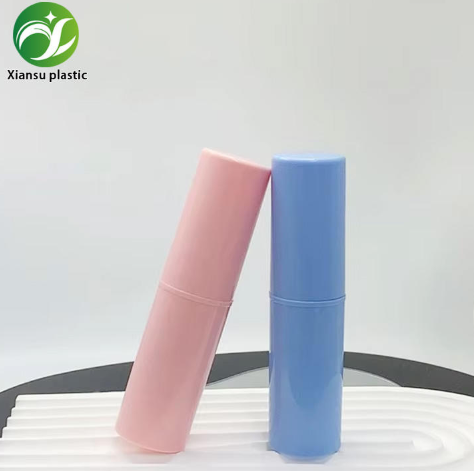
The choice of packaging material directly signals brand positioning. PETG and acrylic convey premium transparency for serums and foundations. ABS provides structural rigidity for compact cases and palette housings. PE offers the flexibility needed for squeeze tubes in skincare. PCR (post-consumer recycled) plastic signals environmental responsibility, increasingly important for brands targeting Millennial and Gen Z consumers. The material also affects product stability: some formulations interact with certain plastics over time, causing discoloration, ingredient migration, or mechanical failure. A brand positioning itself in the clean beauty segment might select PCR materials with matte surface finishes, while a luxury positioning would favor acrylic or glass-like PETG with high-gloss electroplating. Working with a supplier that offers multiple material options under one roof allows brands to test and compare materials without managing multiple vendor relationships, reducing development time and quality inconsistency risks.
Surface decoration is where custom beauty packaging most visibly diverges from commodity packaging. Advanced finishing techniques available to beauty brands include electroplating for metallic caps and jars, hot stamping for foil logo accents, silk screen printing for multi-color branding, spray coating for matte or gradient finishes, and UV coating for scratch resistance. Each technique affects not only appearance but also the tactile experience. A soft-touch matte finish on a cream jar signals understated luxury, while a high-gloss electroplated cap conveys bold confidence. The combination of techniques creates layered visual depth. For example, a compact case might feature a matte spray-coated base with hot-stamped gold logo and a glossy UV-coated interior pan area. When evaluating suppliers, brands should request physical samples of each finishing technique on the actual material being considered, because the same technique produces different results on ABS versus acrylic versus PE.
Beyond aesthetics, structural customization in beauty packaging addresses functional needs that directly impact consumer satisfaction and repurchase intent. Custom mold development enables unique shapes that reinforce brand identity, such as an ergonomically curved lipstick tube or a palette with a magnetic refill system. Functional features like airless pump mechanisms, dual-chamber dispensing, and magnetic closure systems require precision injection molding and tight tolerance control. The manufacturing process matters: suppliers with in-house mold development and injection molding capabilities can iterate on structural designs quickly, producing functional prototypes within two to three weeks. For brands developing packaging for specific application scenarios, such as travel-friendly compacts or refillable palette systems, structural customization is the primary lever for creating a product that consumers cannot find from competitors using stock packaging.
Selecting the right packaging partner determines whether a brand's custom beauty packaging vision becomes reality or stalls in development. Key evaluation criteria include: (1) years of experience in cosmetic packaging, indicating process maturity and quality system stability; (2) in-house manufacturing capabilities, including injection molding, blow molding, and decoration, which reduce outsourcing delays; (3) mold development capacity, measured by existing mold library size and custom mold turnaround time; (4) quality control systems, including material inspection, in-process monitoring, and final quality checks; (5) export experience and logistics support, including familiarity with DDP, EXW, FOB, and CIF shipping terms. A supplier with nearly 10 years of experience, automated production equipment, and integrated decoration capabilities can support brands from prototype through mass production with consistent quality. Brands should also verify intellectual property protection, particularly for custom mold designs, by confirming the supplier's certifications and contractual safeguards.
Q: How long does custom beauty packaging development take?
A: Typical development timelines range from 4 to 8 weeks, depending on complexity. Existing mold modification takes 2 to 3 weeks for samples, while fully custom mold development requires 4 to 6 weeks. Mass production generally starts 2 to 3 weeks after sample approval, with lead times of 30 to 45 days depending on order volume.
Q: What is the cost difference between stock and custom beauty packaging?
A: Custom packaging typically costs 20 to 60 percent more than stock alternatives, primarily due to mold development and setup costs. However, the per-unit cost difference decreases significantly at higher volumes. For orders above 50,000 units, custom packaging can approach stock pricing while delivering brand differentiation that justifies premium retail positioning.
Q: How can I protect my custom packaging design?
A: Brands should sign non-disclosure agreements before sharing design files, register designs with intellectual property offices where applicable, and work with suppliers who hold certifications from recognized intellectual property authorities. Including design ownership clauses in manufacturing contracts provides additional legal protection.
|
Factor |
Stock Packaging |
Custom Packaging |
|
Brand differentiation |
Limited |
Full control |
|
Material options |
Pre-set |
Selectable (PETG, ABS, PCR, etc.) |
|
Surface finishing |
Standard |
Electroplating, hot stamping, spray coating |
|
Development time |
1-2 weeks |
4-8 weeks |
|
MOQ |
Low (1,000+) |
Higher (10,000+) |
|
Per-unit cost |
Lower |
Higher at low volume, competitive at scale |


 EN
EN