Minimalist makeup packaging is not simply about removing decoration. It is a deliberate design philosophy that prioritizes function, material honesty, and visual restraint. For clean beauty brands, packaging minimalism communicates product transparency and ingredient integrity. The design language typically features monochromatic or limited-color palettes, clean typography, and structural simplicity without unnecessary embellishment. However, minimalist does not mean cheap. The perceived quality of minimalist packaging depends heavily on material precision, surface finish consistency, and structural refinement. A matte-finish tube with a perfectly aligned cap communicates more quality than a heavily decorated but poorly executed alternative. For brands developing makeup packaging in the clean beauty space, minimalism is an opportunity to let product quality speak through packaging restraint.
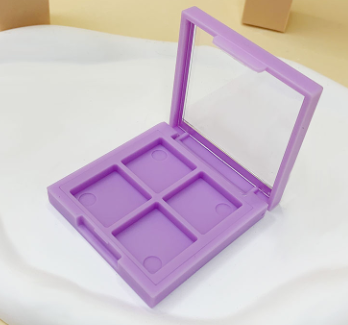
Clean beauty brands typically prioritize materials that align with their ingredient philosophy. PCR (post-consumer recycled) plastic is increasingly sought after, though availability and quality consistency remain challenges. For makeup packaging, common materials include PP for its chemical resistance and recyclability, PETG for its clarity and premium feel, and ABS for structural components like compact cases. The material choice affects not only sustainability metrics but also the tactile experience that minimalist design relies on. A soft-touch matte finish on a PP tube creates a premium feel without decoration, while a frosted PETG jar communicates natural ingredients. Brands should also consider material compatibility with their formulations, particularly for products containing essential oils or active ingredients that may interact with certain plastics. Requesting compatibility test data from suppliers is essential before committing to a material for production.
Minimalist decoration requires restraint but not absence. The challenge is communicating brand identity through fewer elements, each executed with precision. Common minimalist decoration approaches for makeup packaging include single-color silk screen printing for logos, subtle hot stamping for metallic accents, and tonal spray coating that creates depth without contrast. The decoration must be flawless because minimalist designs offer no visual distraction to hide imperfections. Registration accuracy in silk screen printing, foil adhesion in hot stamping, and coating uniformity in spray finishing all become more critical. A supplier with in-house decoration capabilities and automated quality inspection can maintain the consistency that minimalist design demands. For clean beauty brands, decoration choices should also consider environmental impact: water-based inks and UV-cured coatings reduce volatile organic compound emissions compared to solvent-based alternatives.
Minimalist makeup packaging succeeds when structure serves function elegantly. Key structural principles include: (1) reducing component count to minimize material use and assembly complexity; (2) designing for recyclability by using mono-material constructions where possible, avoiding mixed materials that complicate recycling; (3) incorporating refillable systems that extend product lifecycle and reduce per-use packaging waste; (4) optimizing wall thickness to reduce material without compromising structural integrity or consumer perception of quality. For example, a minimalist lipstick tube might use a single material for both barrel and mechanism, with a matte finish replacing decorative elements. Refillable compact cases with magnetic pan systems allow consumers to replace only the product, keeping the packaging in use longer. These structural decisions require close collaboration between brand designers and packaging engineers, making supplier mold development capability a critical evaluation factor.
Clean beauty brands must align their packaging sourcing with their sustainability claims. Key sourcing considerations include: verifying the actual percentage of PCR content in materials, not just accepting supplier claims; requesting documentation of material sourcing chains and recycling certifications; evaluating the supplier's own environmental practices, including waste management and energy use in production. A practical approach is to request a sustainability audit or environmental data sheet from potential suppliers. Brands should also consider the full lifecycle impact of packaging decisions, including transport-related emissions for international shipping. Suppliers offering DDP (delivered duty paid) shipping terms can optimize logistics routing to reduce carbon footprint. For clean beauty brands targeting markets in Europe and North America, where regulatory requirements on plastic packaging are tightening, choosing a supplier with experience in compliance documentation and sustainable material sourcing provides a competitive advantage in market entry.
Q: Can minimalist packaging still protect makeup products effectively?
A: Yes. Minimalist design does not compromise protection if material selection and structural engineering are done correctly. Wall thickness optimization, precision mold tolerances, and appropriate material selection ensure product protection. In fact, reducing unnecessary decorative layers can improve recyclability without affecting barrier performance.
Q: What PCR percentage is achievable in makeup packaging?
A: Typically, 30 to 70 percent PCR content is achievable for outer layers of makeup packaging, depending on the material type and product requirements. Inner contact layers often require virgin material to meet regulatory standards. Brands should request test reports confirming PCR content and material performance from suppliers.
Q: How do I ensure decoration quality on minimalist packaging?
A: Minimalist decoration demands higher precision because imperfections are more visible. Key quality checks include silk screen registration accuracy within 0.1 millimeters, hot stamping foil adhesion testing, and spray coating uniformity across the entire surface. Request first article inspection reports and maintain AQL sampling standards during mass production.
|
Design Element |
Minimalist Approach |
Traditional Approach |
|
Color palette |
1-2 tones, monochromatic |
3+ colors, high contrast |
|
Decoration |
Single-color silk screen, subtle foil |
Multi-color print, metallization |
|
Surface finish |
Matte, frosted, soft-touch |
Glossy, electroplated, textured |
|
Components |
Reduced, mono-material |
Multi-component, mixed materials |
|
Recyclability |
High (mono-material) |
Low (mixed materials) |
|
Development focus |
Material precision, finish quality |
Decoration complexity, visual impact |


 EN
EN