A sunscreen tube used in household skincare settings must do more than simply hold product. Sunscreen formulations often contain active UV-filter ingredients, oils, and water-based emulsions that interact chemically with packaging materials. The tube must resist chemical degradation, prevent leakage during travel or bathroom storage, and deliver controlled amounts of product without clogging or air ingress. For brands sourcing sunscreen packaging, the first customization step is defining the formulation chemistry: is the product oil-based, water-in-oil, or silicone-based? This determines whether a single-layer PE sunscreen tube suffices or a multi-layer co-extruded structure is needed. Multi-layer tubes, typically combining PE with an EVOH barrier layer, prevent oxygen transmission that can degrade UV-filter ingredients over shelf life. Blow molding technology is commonly used to produce tube bodies, while injection molding creates the shoulder and cap components. Understanding these manufacturing fundamentals helps brands specify the right sunscreen tube construction for their formulation.
The most common materials for sunscreen tubes include PE (polyethylene), PCR (post-consumer recycled plastic), and multi-layer co-extruded structures. PE remains the industry standard for squeeze tubes because it offers excellent flexibility, chemical resistance, and cost efficiency for mass production. For brands positioning around sustainability, PCR plastic can be incorporated at varying percentages, though it may affect tube clarity and mechanical strength. Multi-layer structures combine an inner contact layer, a barrier layer (EVOH or aluminum), and an outer decorative layer. This construction is essential for formulations containing avobenzone or oxybenzone, which can migrate through single-layer PE over time. The outer layer also accommodates decoration techniques such as silk screen printing, hot stamping, and offset printing. When evaluating a sunscreen tube supplier, brands should request material certificates, migration test reports, and compatibility data for their specific formulation. A supplier with injection molding and blow molding capabilities can offer integrated tube-and-cap solutions, reducing assembly inconsistencies.
Household skincare users expect a sunscreen tube that dispenses cleanly without drips or waste. Common dispensing options include flip-top caps, screw caps with orifice reducers, and pump dispensers. Flip-top caps are the most popular for sunscreen tubes because they allow one-handed operation and seal reliably after each use. For thicker formulations, a nozzle with a smaller orifice prevents excessive product discharge. Pump heads offer measured dosing but add cost and complexity to the tube assembly. The tube shoulder angle and orifice diameter must be matched to the product viscosity to prevent clogging. A practical sourcing approach is to test prototypes with the actual formulation under simulated household conditions, including inverted storage and temperature cycling between 5 degrees Celsius and 40 degrees Celsius. Leak-proof construction depends on the precision of the shoulder welding and cap threading, which is why suppliers using automated assembly lines with in-process quality control typically achieve lower defect rates.
Sunscreen tube decoration serves both aesthetic and functional purposes. UV-resistant inks and coatings are essential because sunscreen products are often displayed and used in sun-exposed environments. Silk screen printing supports up to six colors and is ideal for bold, high-contrast designs. Hot stamping adds metallic foil accents that convey premium positioning, while offset printing enables photographic-quality gradients and fine text. For brands requiring full-cylinder coverage, heat transfer printing wraps the design around the entire tube surface. The decoration method must be compatible with the tube material and tested for adhesion, abrasion resistance, and chemical resistance to the formulation. A supplier offering in-house coating, printing, and stamping capabilities eliminates outsourcing delays and ensures consistent decoration quality across production batches. Surface finishing options include matte, glossy, and soft-touch coatings, each affecting the tactile experience and perceived value of the sunscreen tube.
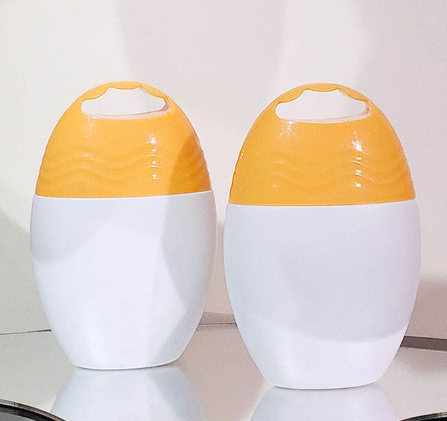
Consider a brand developing a household SPF 50 sunscreen for the European market. The formulation contains avobenzone and requires a multi-layer tube with an EVOH barrier. The brand needs 50,000 units with a custom flip-top cap in Pantone 7401 C, silk screen printing in three colors, and a matte soft-touch finish. When evaluating suppliers, the brand should verify: (1) whether the factory can produce multi-layer co-extruded tubes or only single-layer PE; (2) whether the decoration line supports soft-touch coating and silk screen on the same line; (3) whether the factory has experience with EU Regulation 10/2011 migration testing; (4) the minimum order quantity for custom cap molding; and (5) the lead time for first article samples. A supplier with integrated injection molding, blow molding, and decoration capabilities can typically deliver samples within 15 to 20 days and mass production within 35 to 45 days, depending on mold complexity and decoration requirements.
Q: What is the minimum order quantity for custom sunscreen tubes?
A: Most cosmetic packaging manufacturers set a minimum order quantity between 10,000 and 20,000 units for custom sunscreen tubes, depending on whether existing molds are used or new molds need to be developed. Custom cap designs or multi-layer structures may require a higher minimum to justify tooling costs.
Q: Can sunscreen tubes be made with recycled materials?
A: Yes, PCR (post-consumer recycled) plastic can be incorporated into sunscreen tubes, typically in the outer layer of a multi-layer structure. However, the inner contact layer must still meet food-grade or pharmaceutical-grade standards. Brands should request migration test reports for PCR-containing tubes to ensure regulatory compliance.
Q: How do I ensure my sunscreen tube is leak-proof?
A: Leak-proof performance depends on precise shoulder welding, cap threading tolerance, and the sealing mechanism. Request leak testing data from the supplier, including inverted storage tests at elevated temperatures. Suppliers with automated assembly lines and in-process quality control typically achieve defect rates below one percent for leak-related issues.
|
Material |
Barrier Property |
Sustainability |
Cost Level |
Best For |
|
Single-layer PE |
Basic |
Recyclable |
Low |
Water-based formulations, short shelf life |
|
Multi-layer PE + EVOH |
High oxygen barrier |
Recyclable with separation |
Medium |
Oil-based, avobenzone formulations |
|
PCR blend |
Basic to medium |
High recycled content |
Medium |
Eco-positioned brands |
|
Aluminum barrier laminate |
Excellent |
Difficult to recycle |
High |
Premium sunscreens, sensitive actives |


 EN
EN